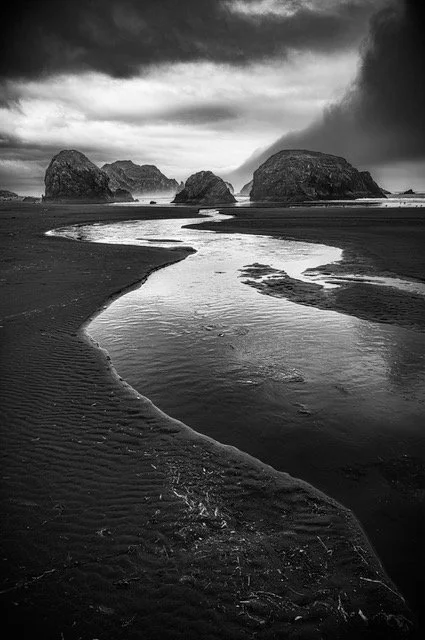
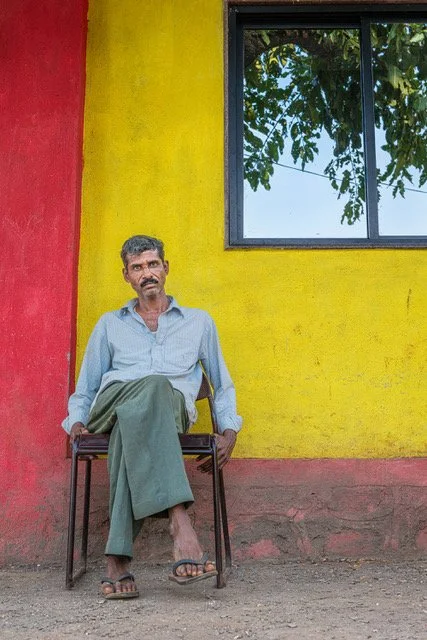
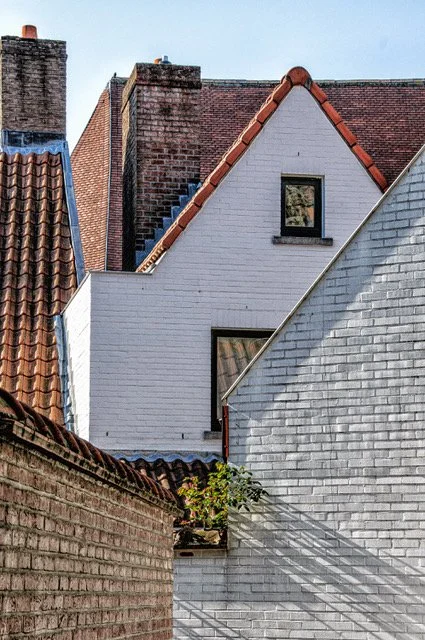
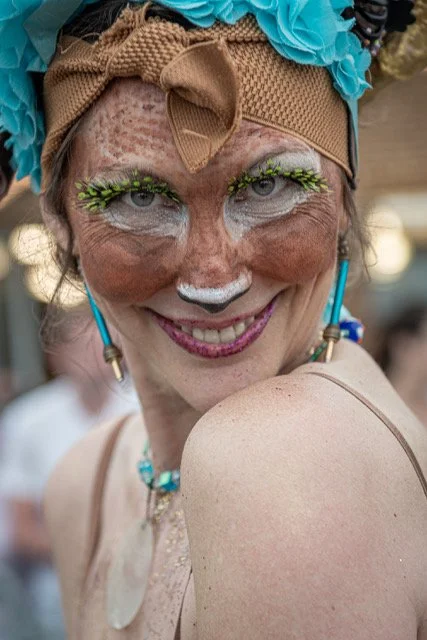
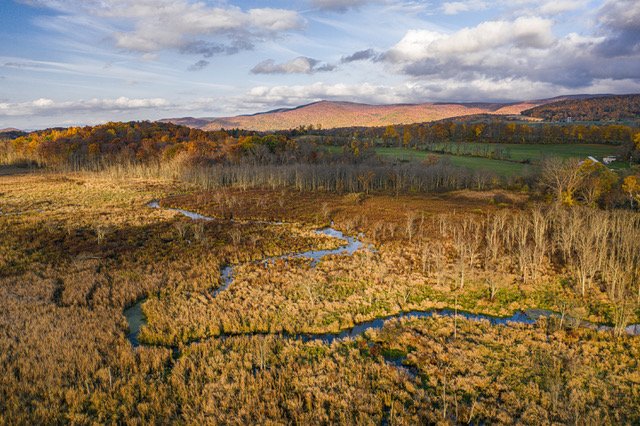
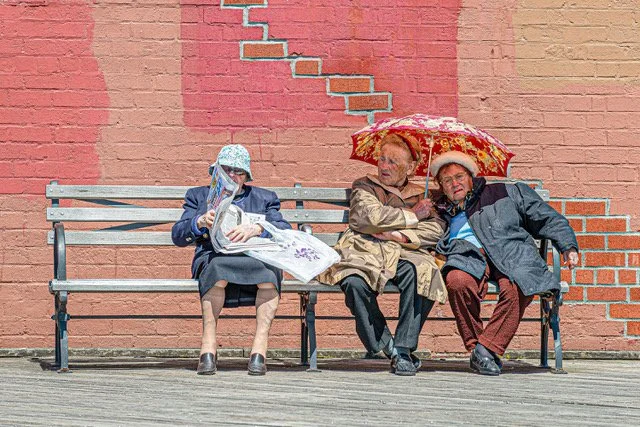
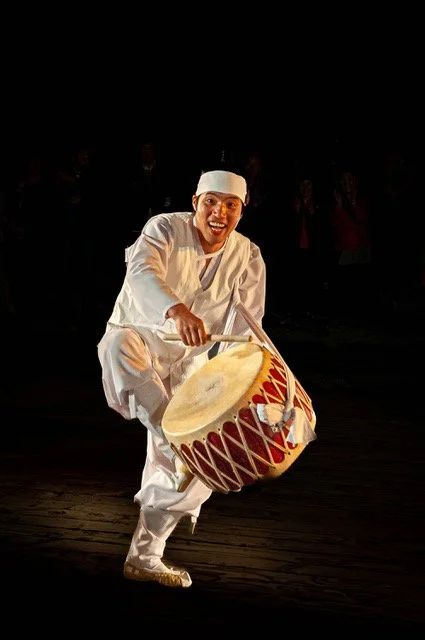
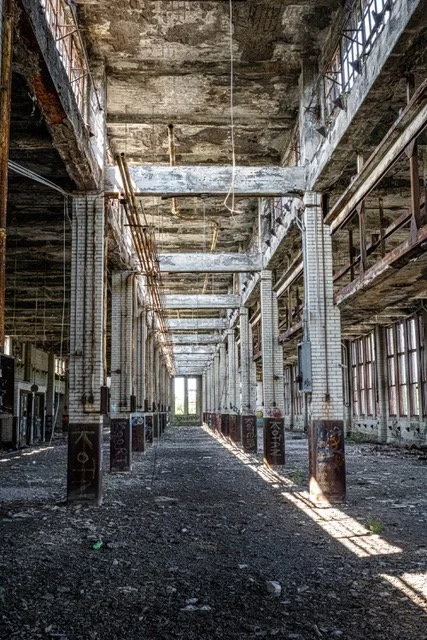
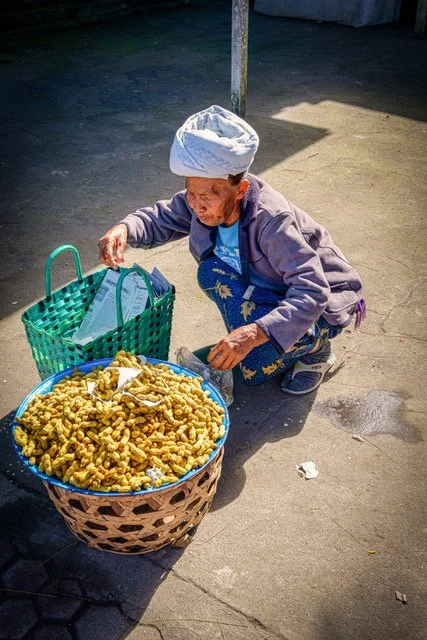
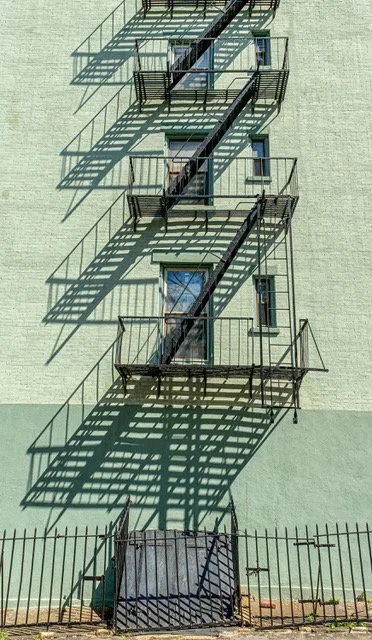
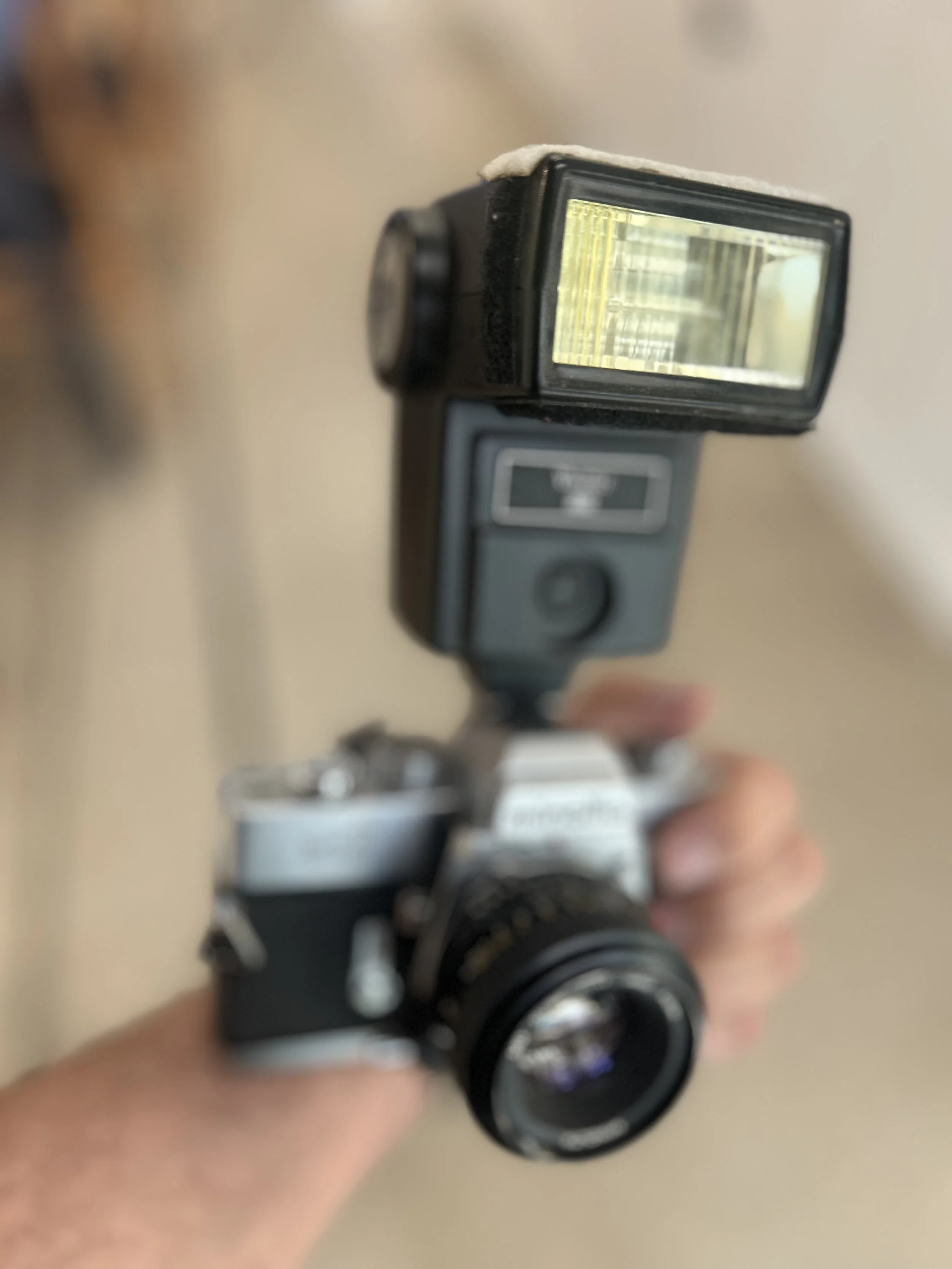
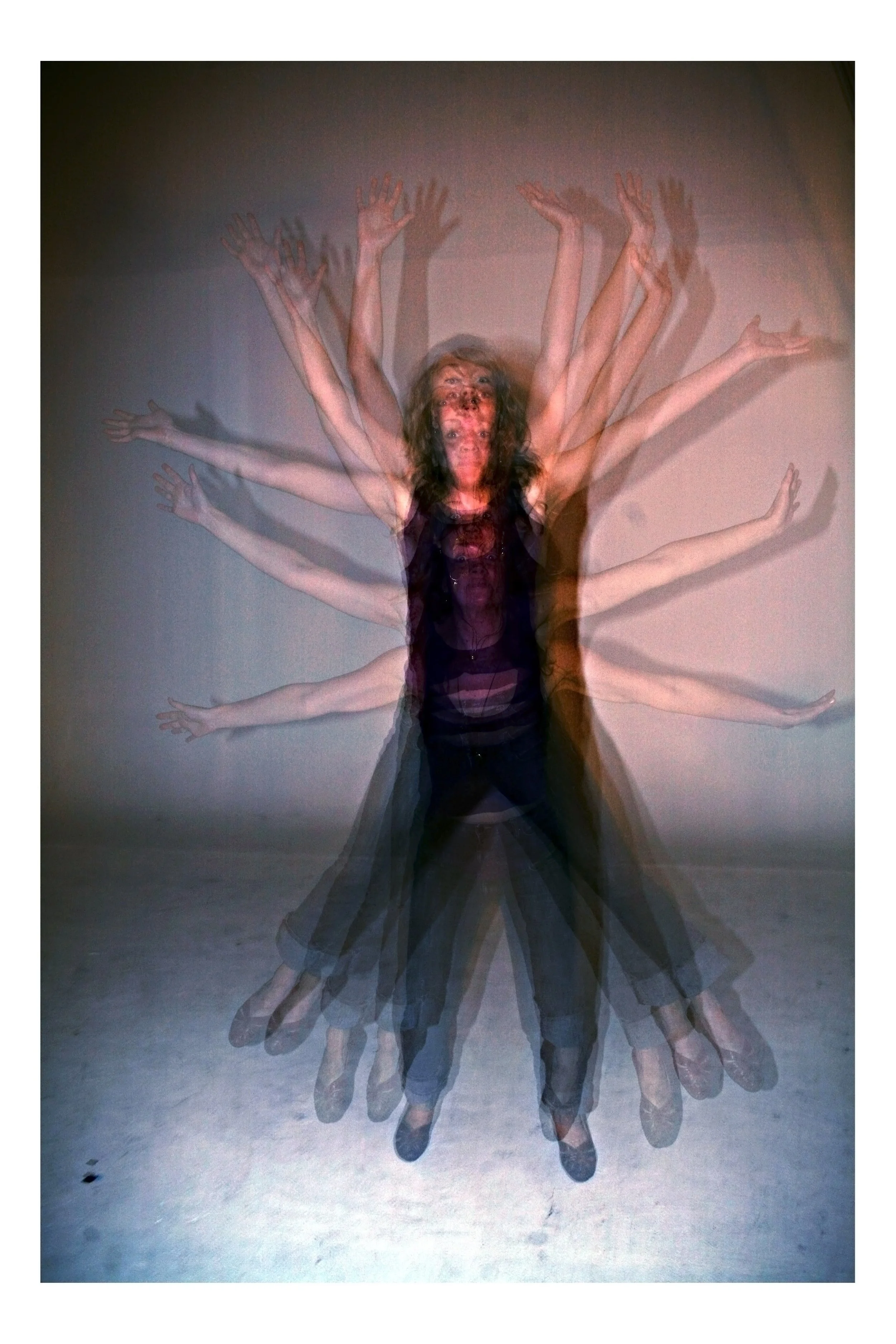
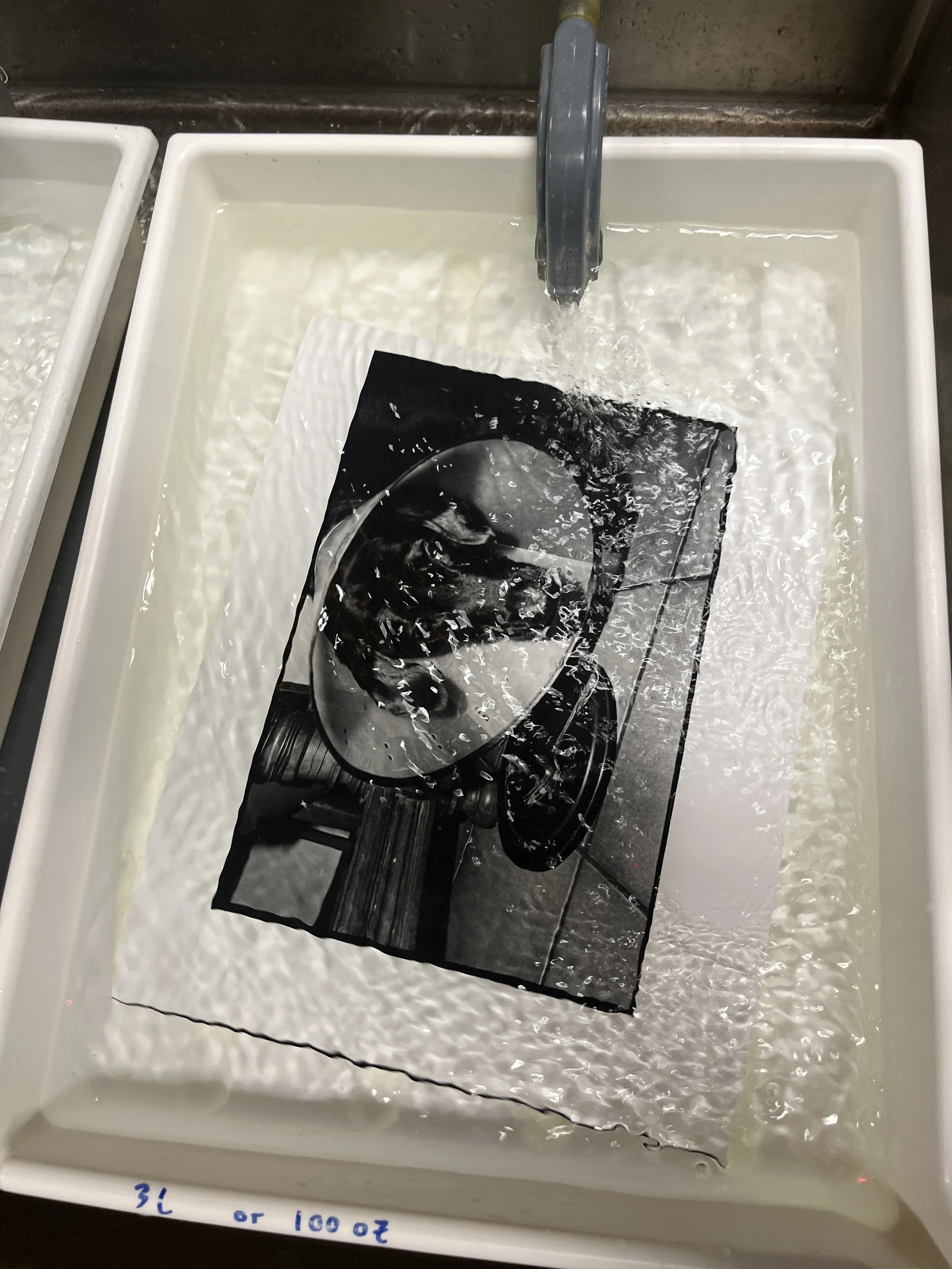
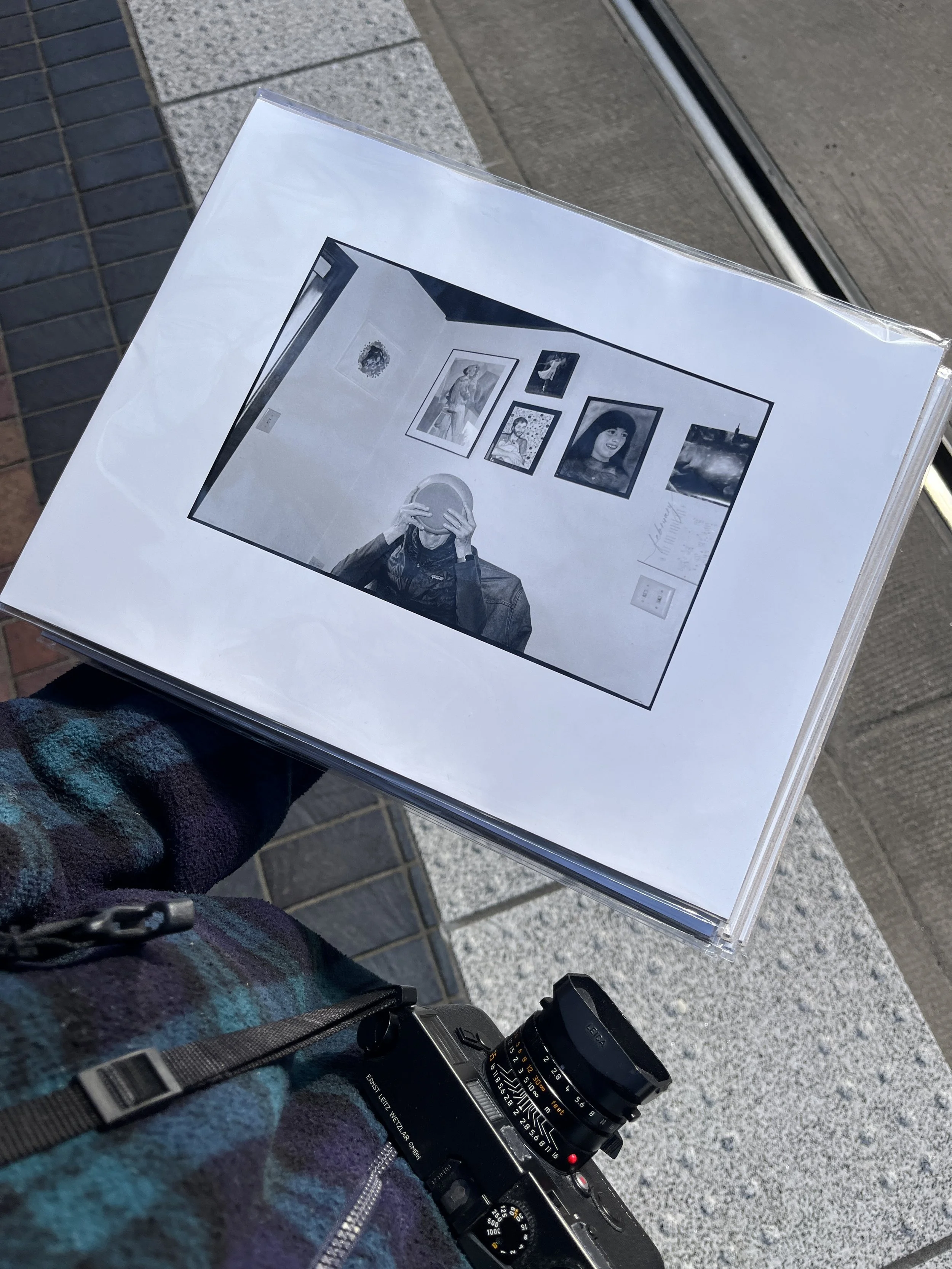
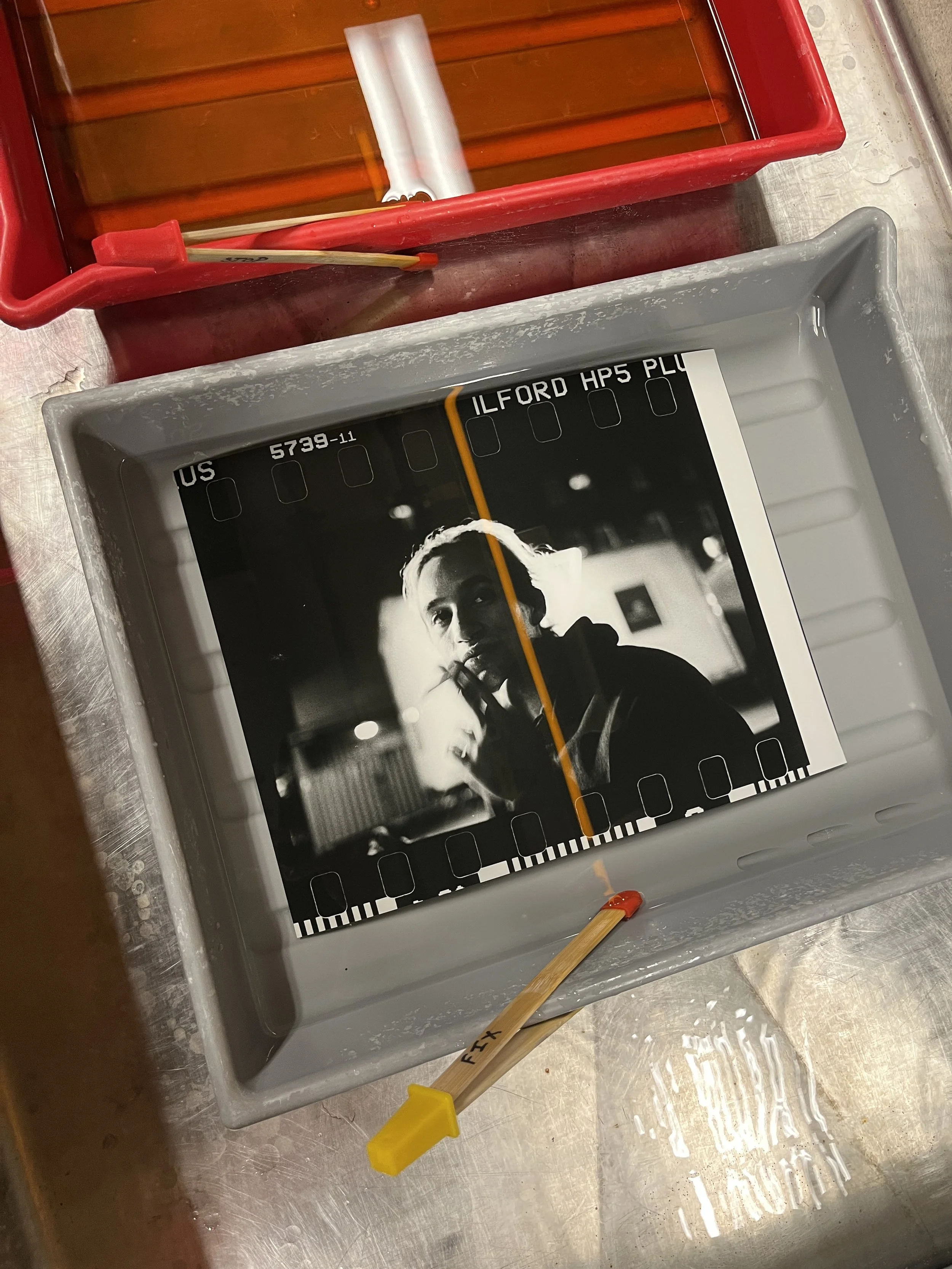
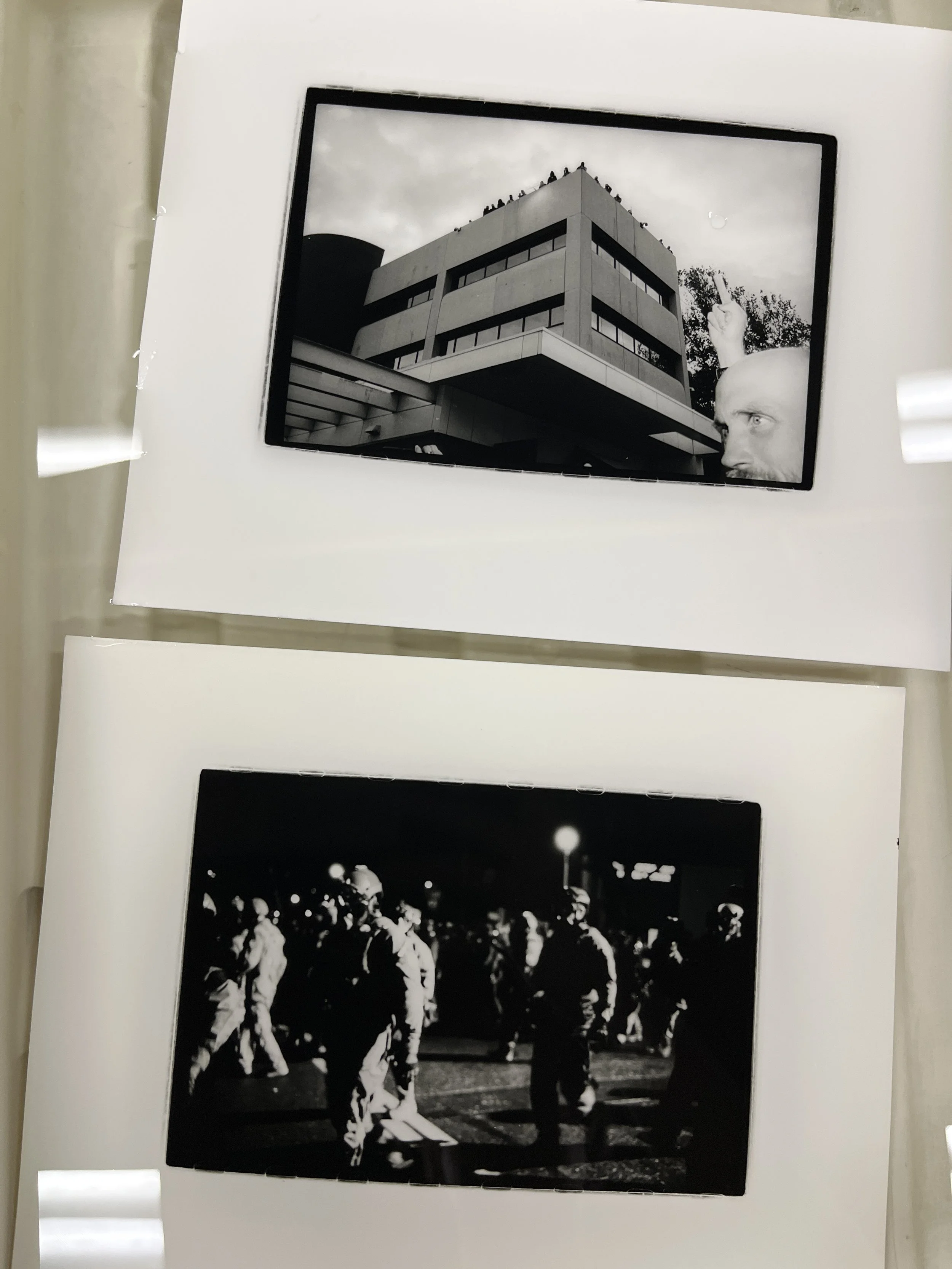
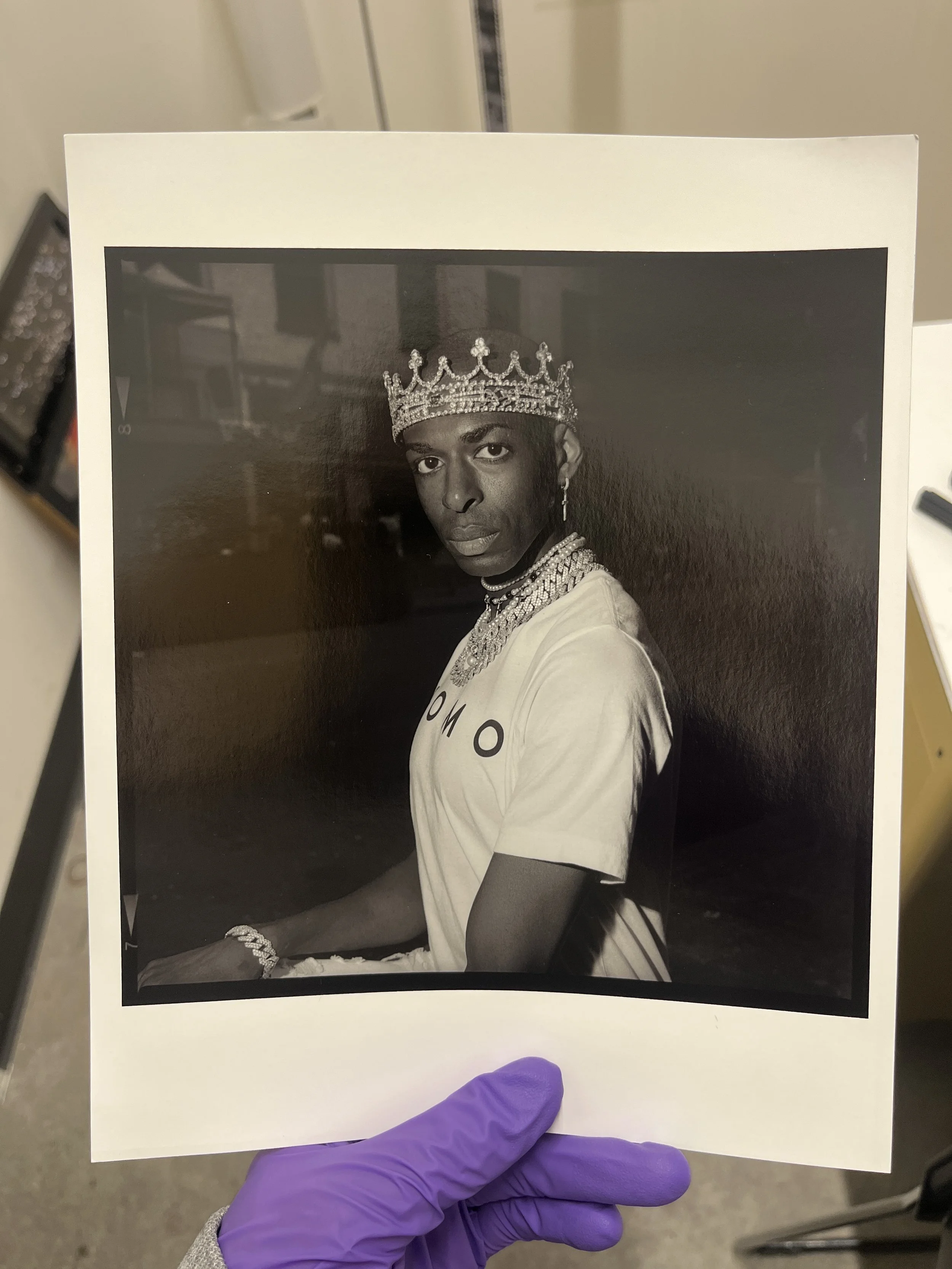
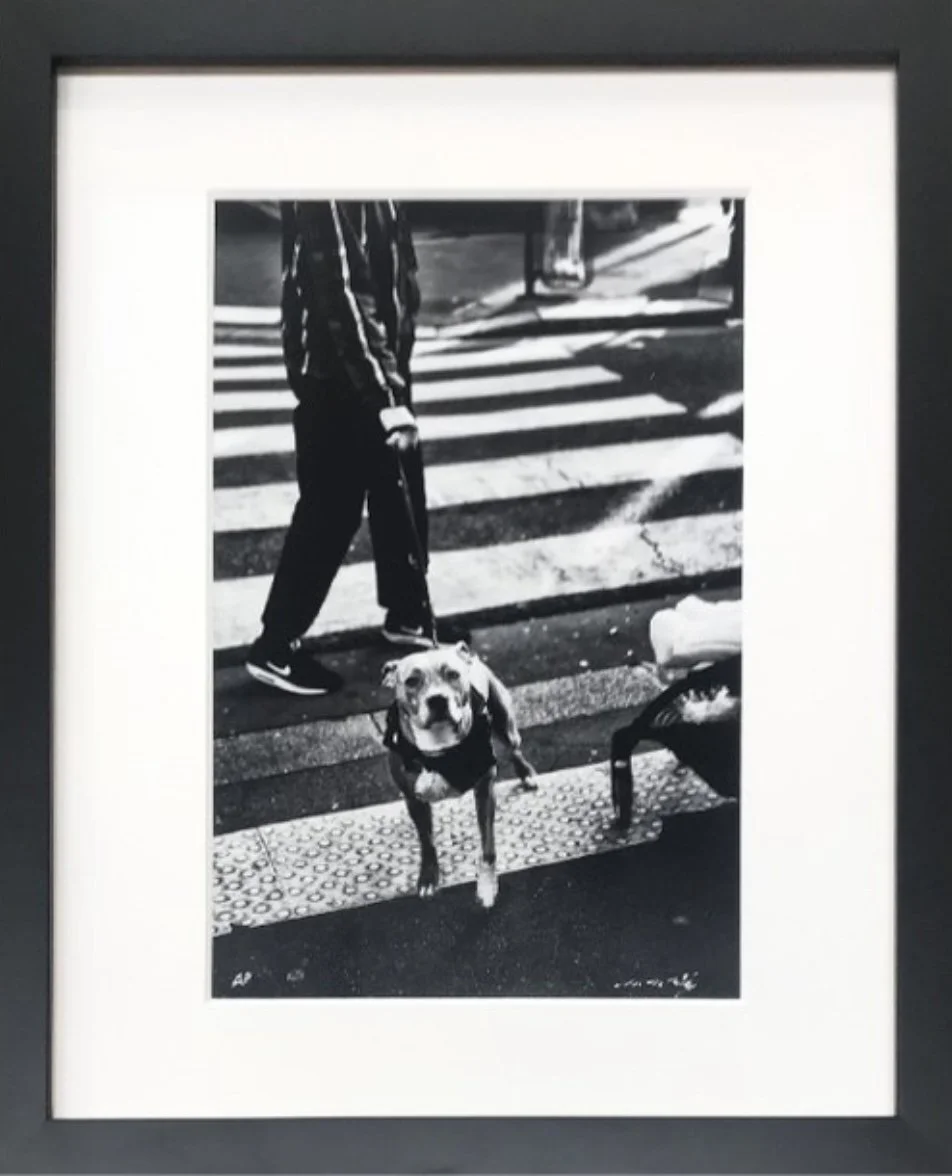
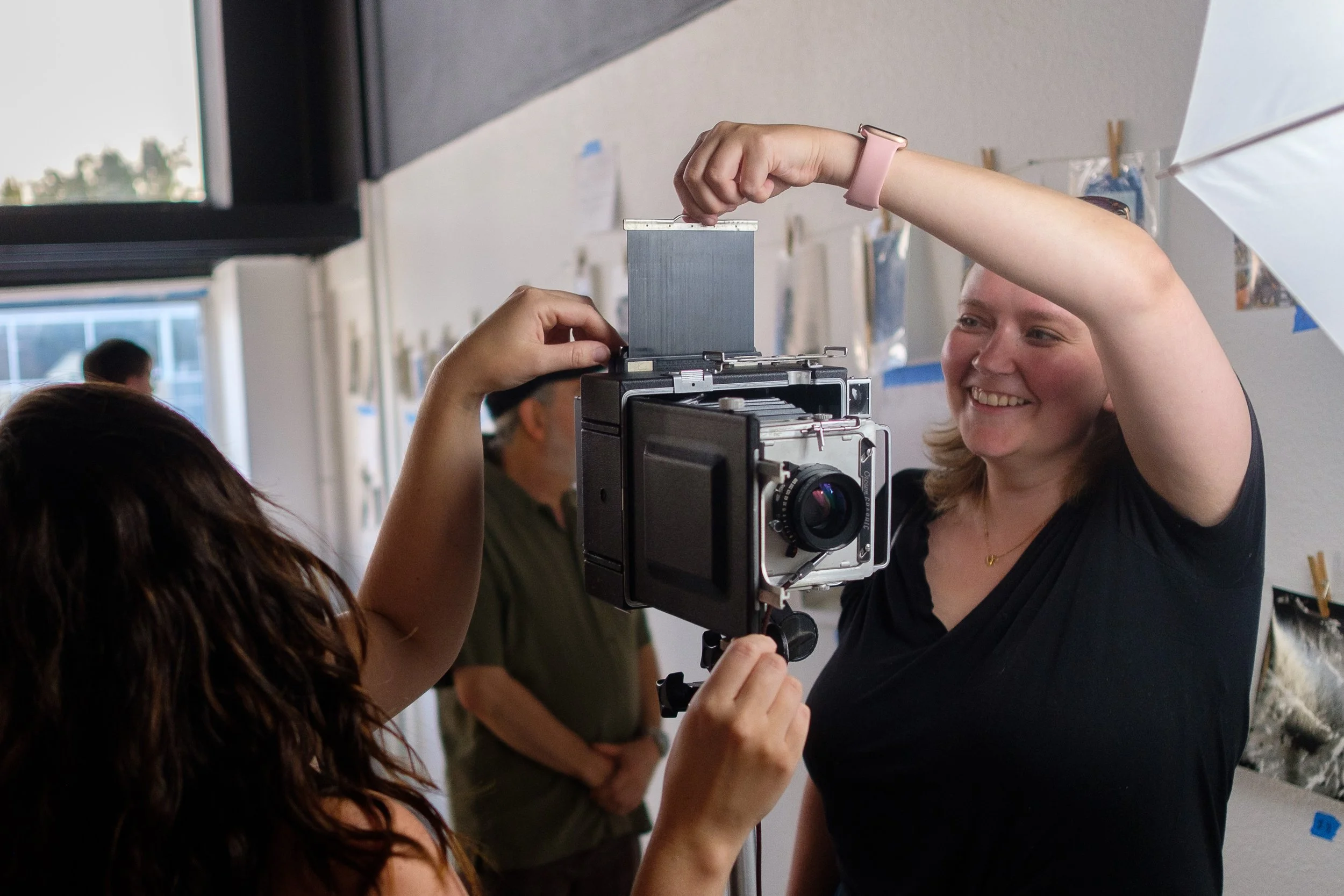
It’s not the camera or the lens or costly accessories, it’s not whether you prefer film or digital -- it’s how you approach the frame and how you go about populating it. Where’s the subject? Do you center or skew? Where’s the horizon line? What’s in the foreground? What’s a frame within a frame? Do you go for a vast overview or the telling detail? How do you make use of environmental elements to lead the eye where you want it to focus? How do you approach abstracts and minimalism? What is storytelling?
The rules of composition are easily identified and just as easily learned, yet most photographers use intuition, a hunch, rather than tried-and-true compositional techniques. In just 3 classes, with hundreds of photos to examine – and a portfolio review in the final class – you’ll come out with a whole new aesthetic for your photography.
The rule of thirds
How to think about foreground, mid-ground, background
Leading lines
Frame within a frame
When to center, when not to
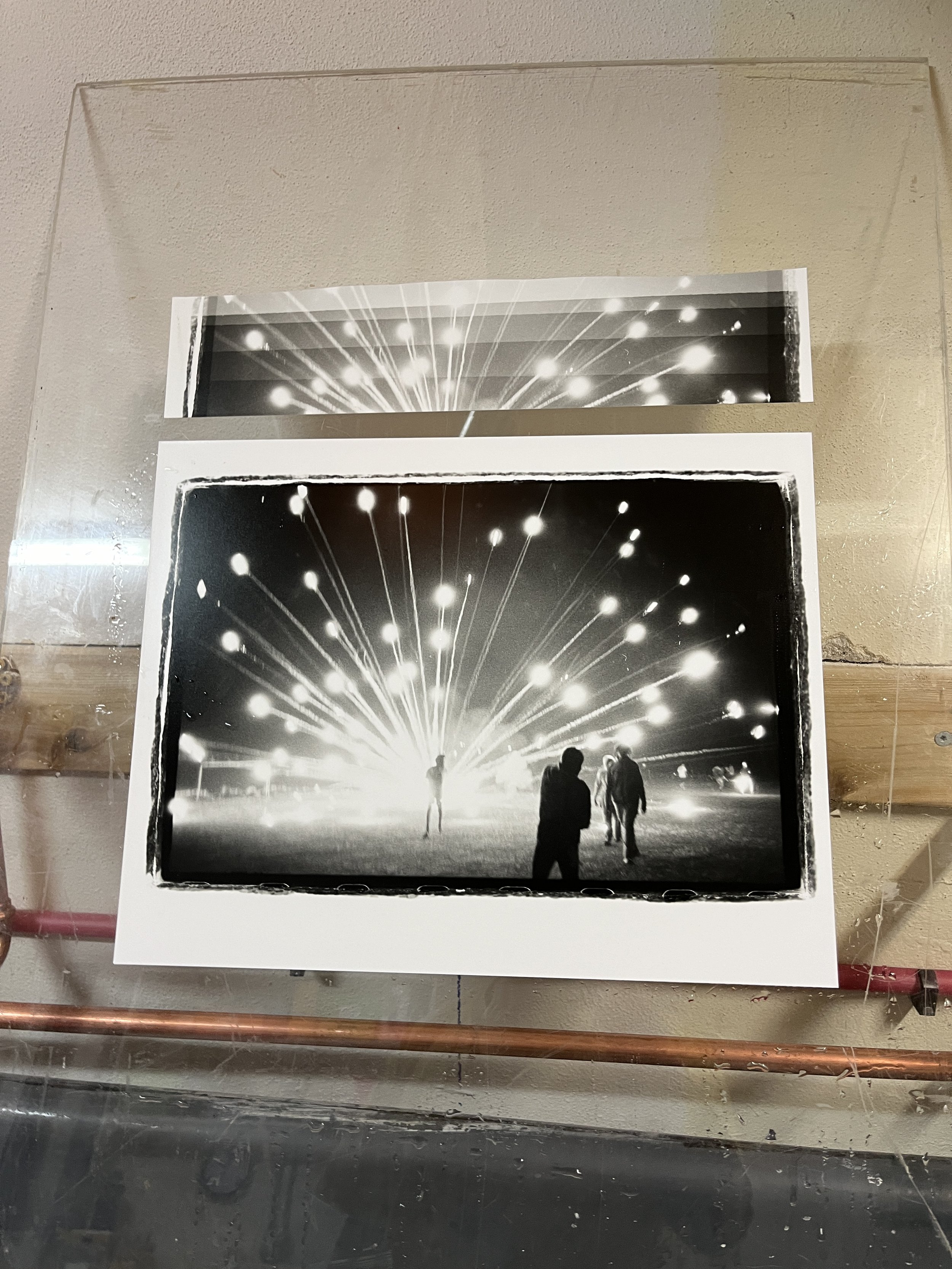
Painting with light
Depth of field and how to create a strong sense of flow
How to lead the eye through an image using balance and perspective
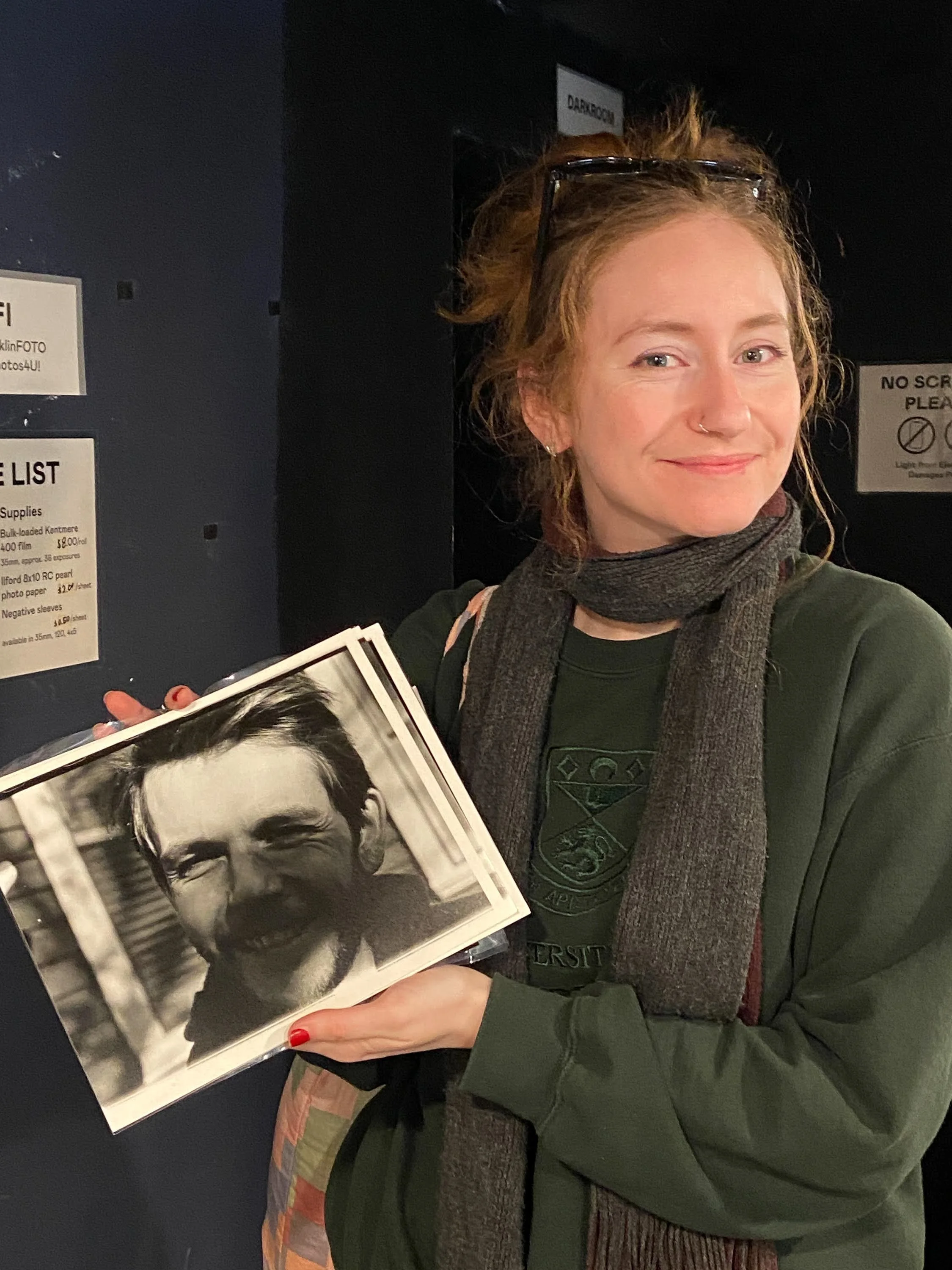
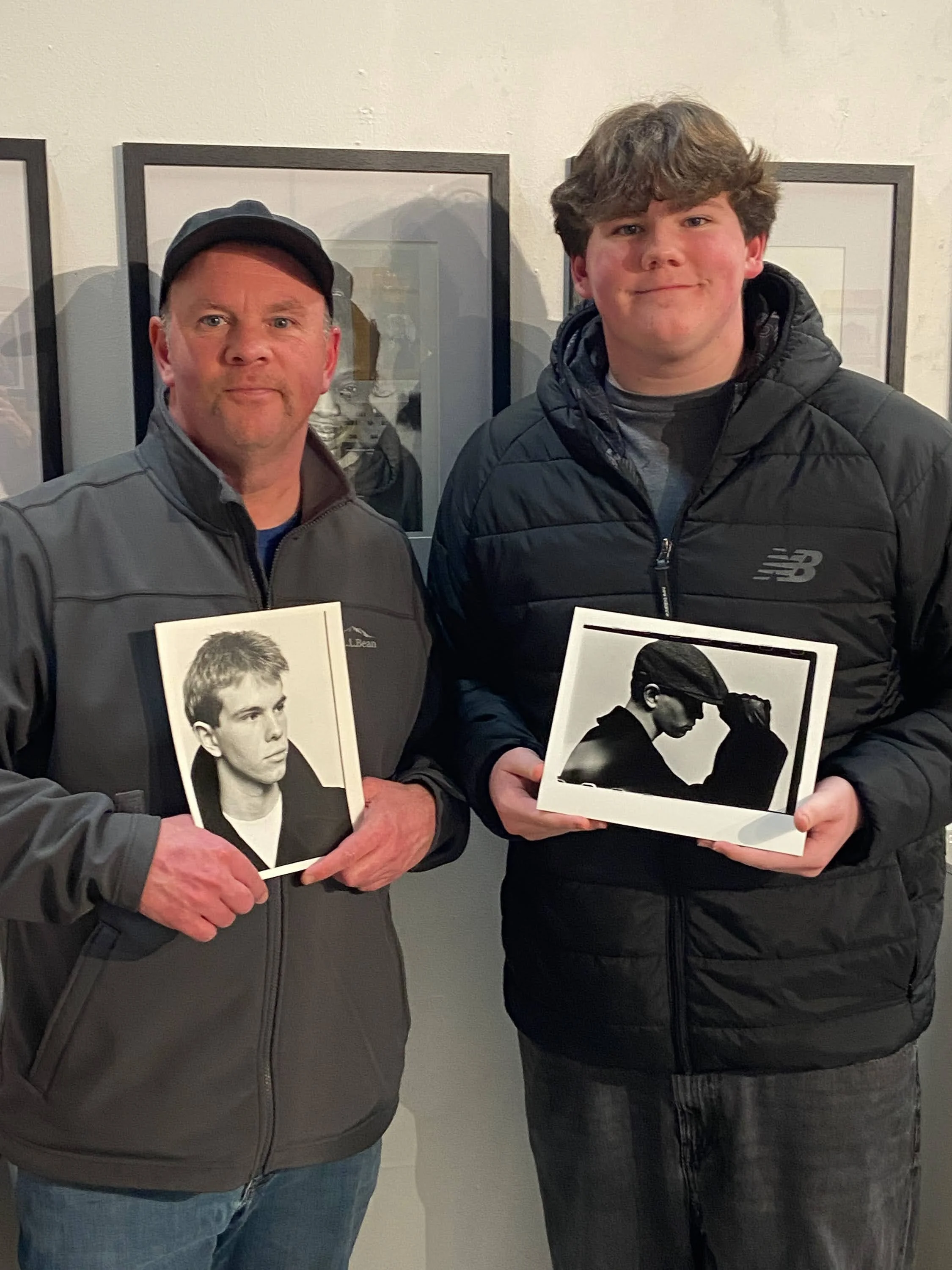
Portraits
Storytelling
And more...
In the first session we will examine scores of photos to flesh out the various ways of seeing, exploring how each of the principals listed above apply. On a large screen and using examples by the teacher as well as some classic photos and even famous paintings, we’ll go through compositional concepts such as the rule of thirds; foreground, mid-ground, background; leading lines; frame within a frame; when – and when not -- to center; and more. We’ll end the session with students’ own ‘favorite’ photos, ones sent in before the first class. Students will be amazed how many of their favorites followed the rules we’ll be exploring.
The second session will continue looking at rules of composition, including painting with light; depth of field and how to create a strong sense of flow; how to lead the eye through an image using balance and perspective; portraits; storytelling; and more.
The third session: The session will feature an extensive portfolio review of student photos from past work. These will include ones they feel are very strong from a compositional standpoint; photos where they tried to capture something and feel they didn’t quite achieve their objective (especially useful for classroom learning); and, finally any favorite photos from other photographers. Depending on the level of student experience, me might also cover how to ‘get off’ using auto and use aperture and shutter priority for more control over your photography.
Reviews from past courses:
“Gerald has a thoughtful approach to teaching – supporting and challenging students to figuratively and/or literally change their focus - to be more attentive to framing and the structural elements of an image. Gerald made wonderful use of his own work, and the photos of others, to illustrate a point or a concept. His observations about the people he photographed, and the ways he interacted with them, were most instructive. Gerald’s composition course is helpful for both beginning photographers as well as more experienced photographers.” Suzanne
“I really enjoyed your class. I knew nothing about photography when I started, and now I feel I have a handle on the basics of composition. My favorite part was looking at the art photography you shared and critiquing it. I’m grateful for what I learned, and for having a new way of seeing the world around me.” Lauren L “I found the class most helpful. Gerald is a great teacher... he made the course stimulating and challenging. Hope he’ll be teaching another class in the future.” Sophie
“I really enjoyed how Gerald used his photographs to illustrate the various concepts - in particular I felt the comparative shots that he shared to illustrate foreground, middle ground, background were interesting (this was the concept that I think about less when taking photos). I also really enjoyed seeing the participants work and hearing Gerald’s thoughts on how they could be improved (mine included!). Spread kindness like confetti.”
“I thoroughly enjoyed the class and learned so much. 10 out of 10!” Barb
Biography:
Gerald Seligman has been a photographer for over 50 years, with photos published in newspapers, magazines, featured in galleries and on album covers for Universal/Verve, EMI Hemisphere, Rounder, Rykodisc and more. He spent most of his career working in the international music industry and has lived in Rio de Janeiro, London and Berlin. He lives now in Portland, Oregon. He has taught photo courses at the McSilver Institute for Poverty, Policy and Research, New York University; for the Josephine Herrick Project; for pro photography stores, and locally for art schools’ libraries.
Artist statement:
“In photography, I try to find order in chaos, compassion in random encounters and the human spirit in the day-to-day. I wander and attempt to capture the moment, alternating among abstracts, geometry and the human face and form. To some degree I allow the setting to determine the sort of photography I engage in, looking for some fleeting essence that will set the style of what I am seeking -- ‘finding photos,’ I like to call it.”
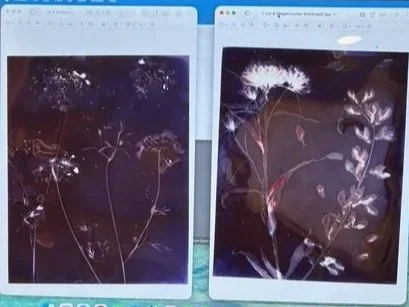
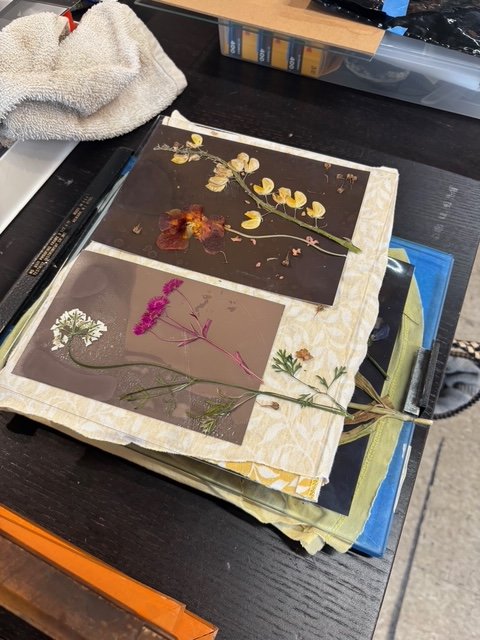
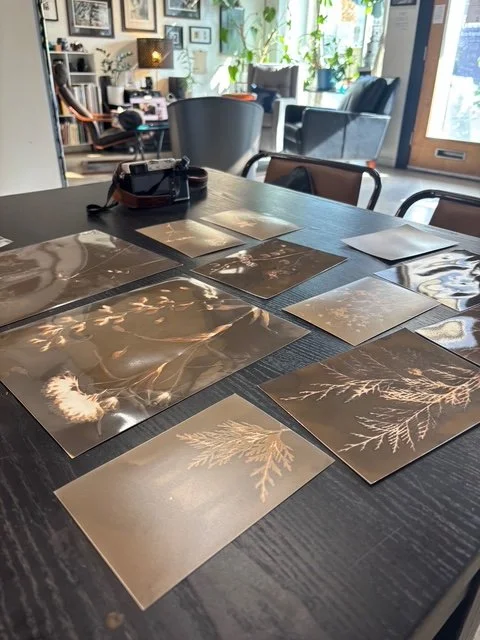
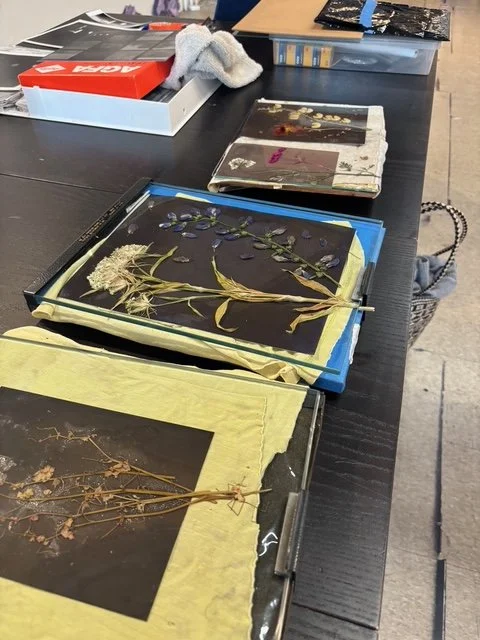
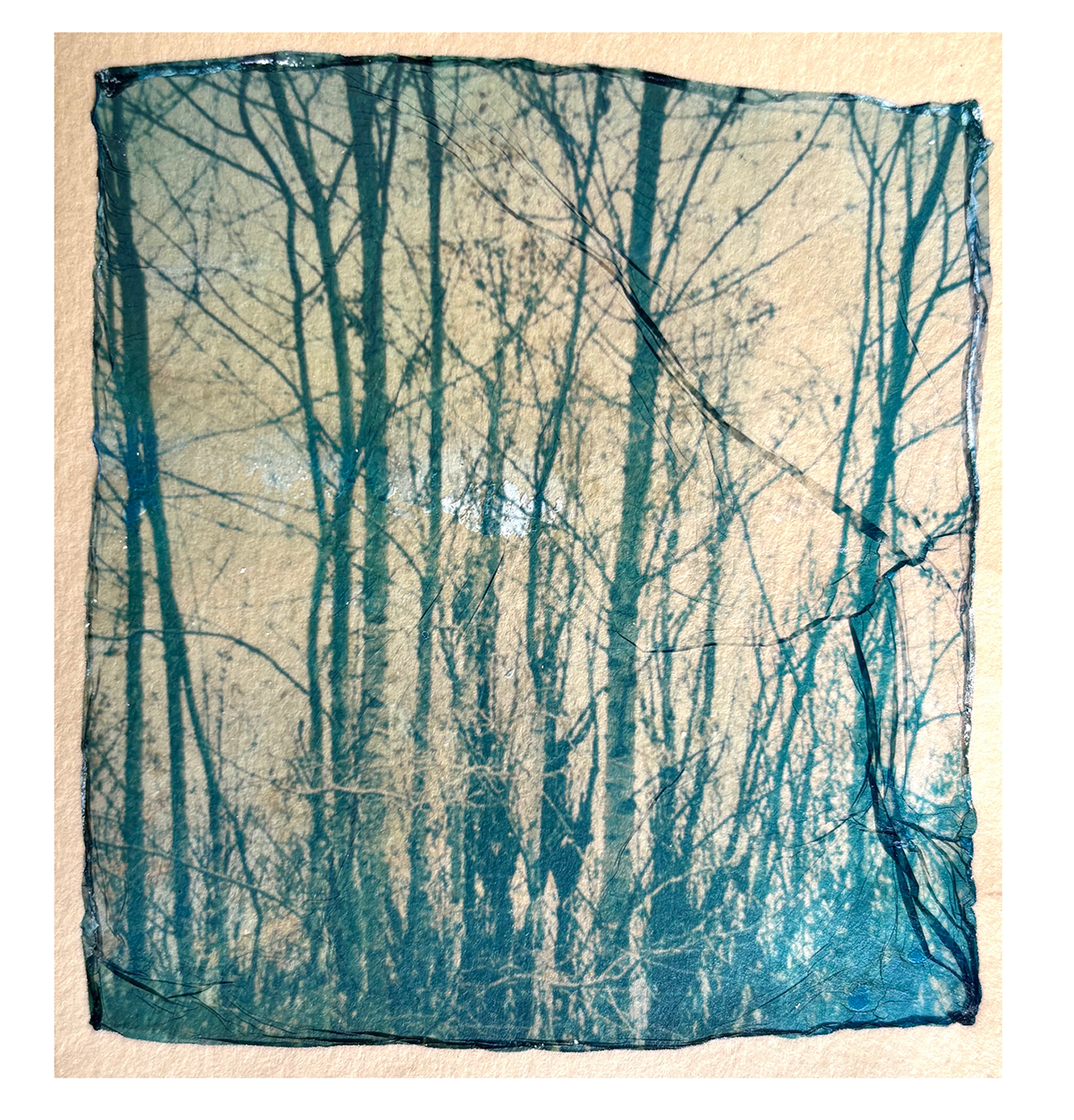
Join local artist Alice Christine Walker for an immersive four-hour workshop exploring the history and magic of the cyanotype process. Known for its distinctive Prussian blue tones, cyanotype is one of the oldest photographic printing processes and one of the most versatile.
This workshop strikes a balance between technical knowledge and hands-on experimentation. We will begin by demystifying the chemistry, discussing the differences between pre-coated papers, raw chemistry mixing, and pre-made solutions.
What you will learn:
Paper Preparation: How to properly coat paper using pre-made sensitizer solutions.
The Photogram Method: Creating compositions using physical objects (botanicals, glass, lace) placed directly on the paper.
The Photographic Method: Printing images using digital negatives.
Processing: Best practices for exposure, developing in water, and drying your work.
Student Requirements:
Digital Negative: Students must submit one high-contrast digital photo prior to the workshop to be converted into a digital negative.
Objects: Please bring a small selection of flat objects (pressed flowers, feathers, transparent items, lace, negatives, etc.) to use for your photograms. Note: Objects must fit within a 12-inch space.
By the end of the evening, you will leave with your custom digital negative, a collection of your own original blue-and-white prints, and the foundational knowledge to continue making cyanotypes at home.
At Franklin FOTO we never want finances to be a barrier to access. Please feel free to use our sliding-scale to pay whatever amount makes sense for your budget.
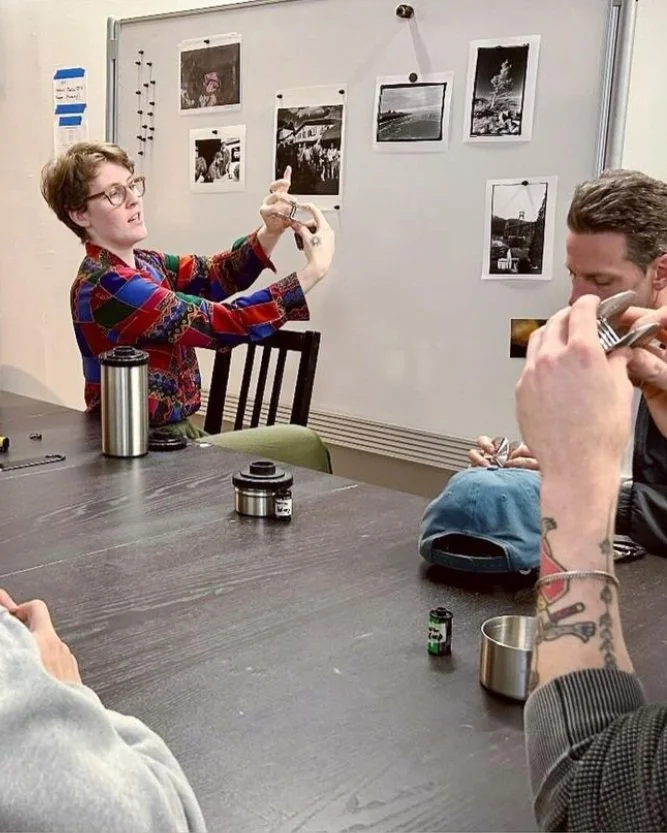
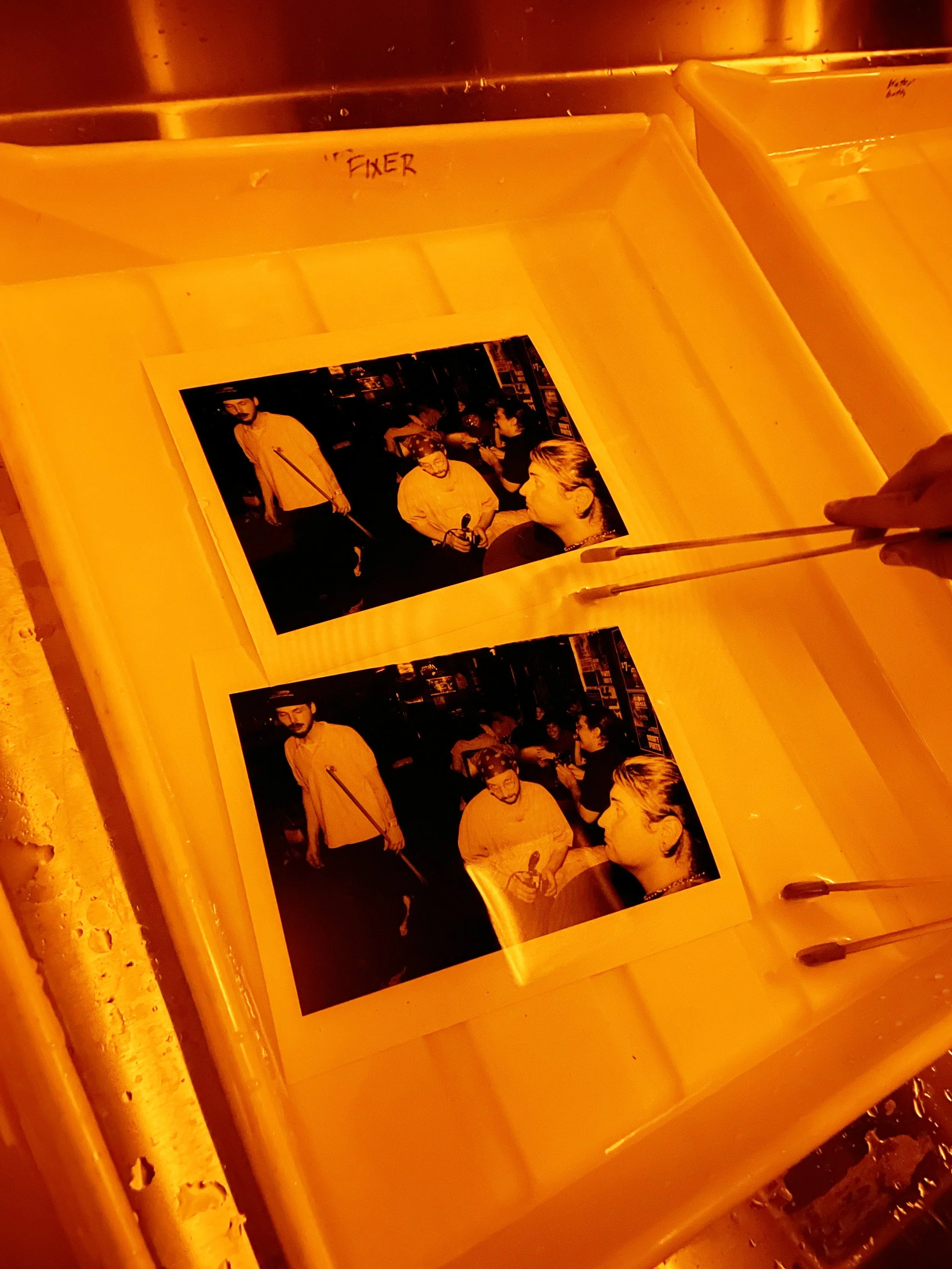
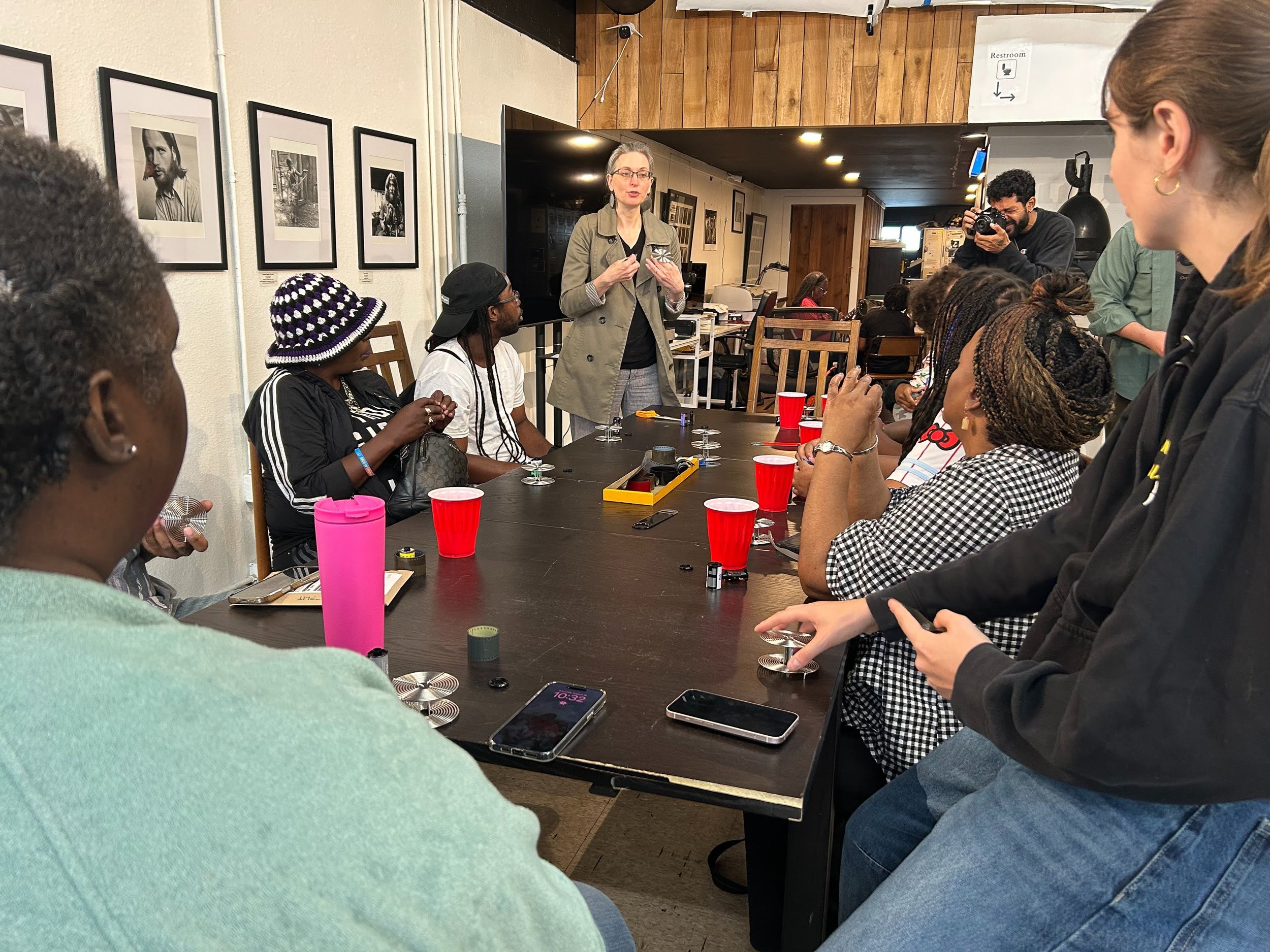
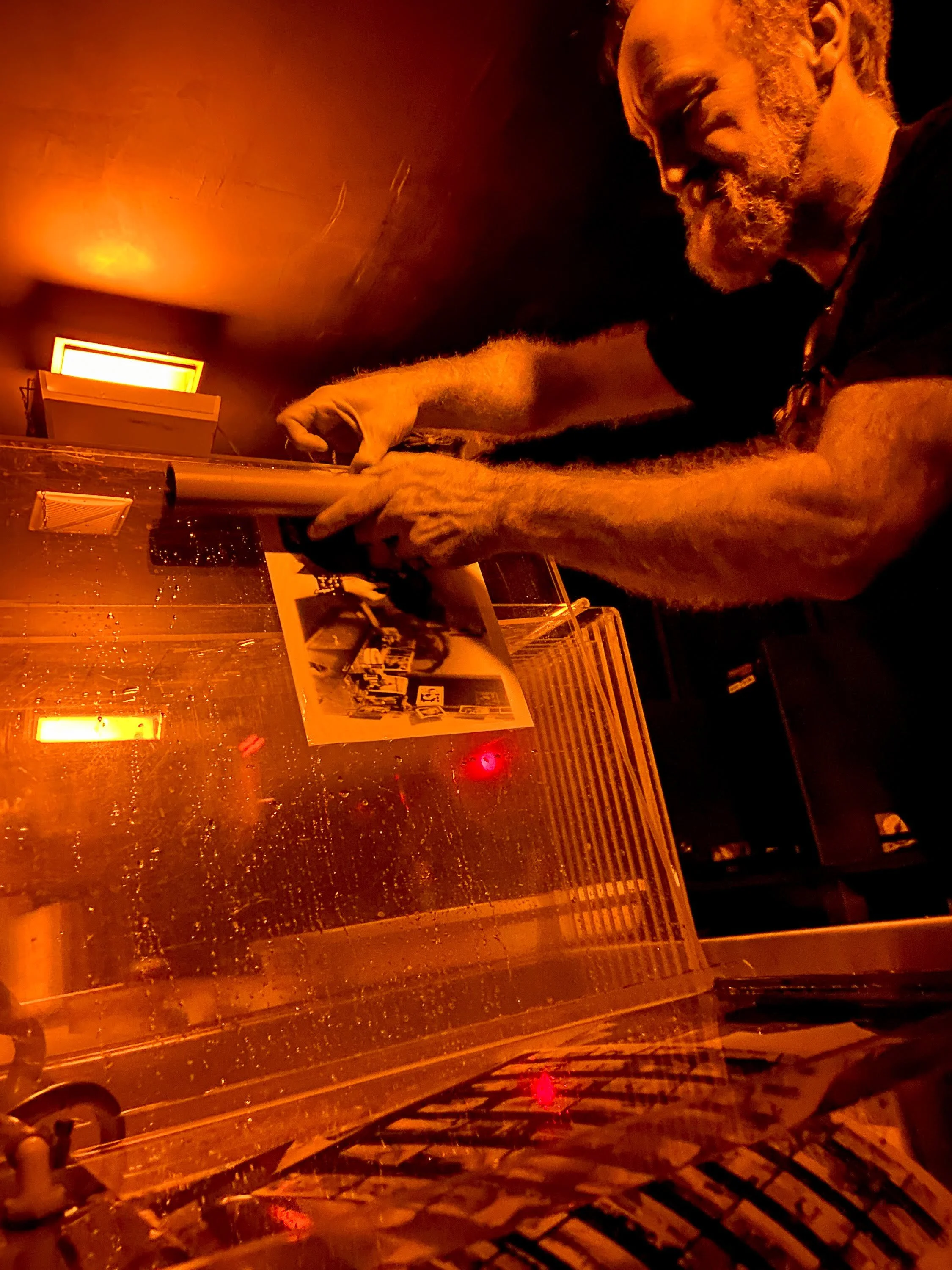
Franklin Foto Director, Sharmil Elliot Reclusado, will be teaching our Intro to Darkroom in a two-day class.
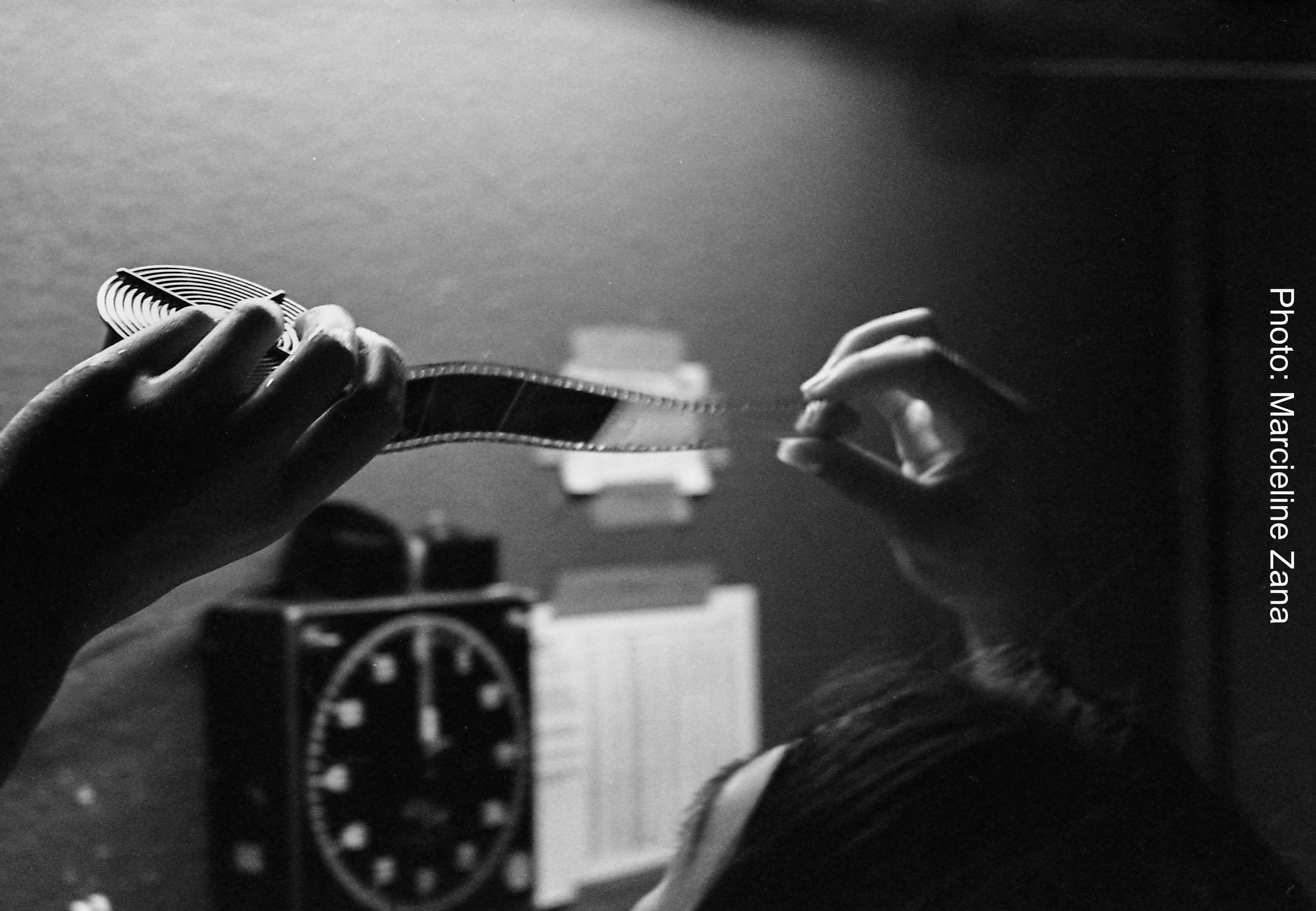
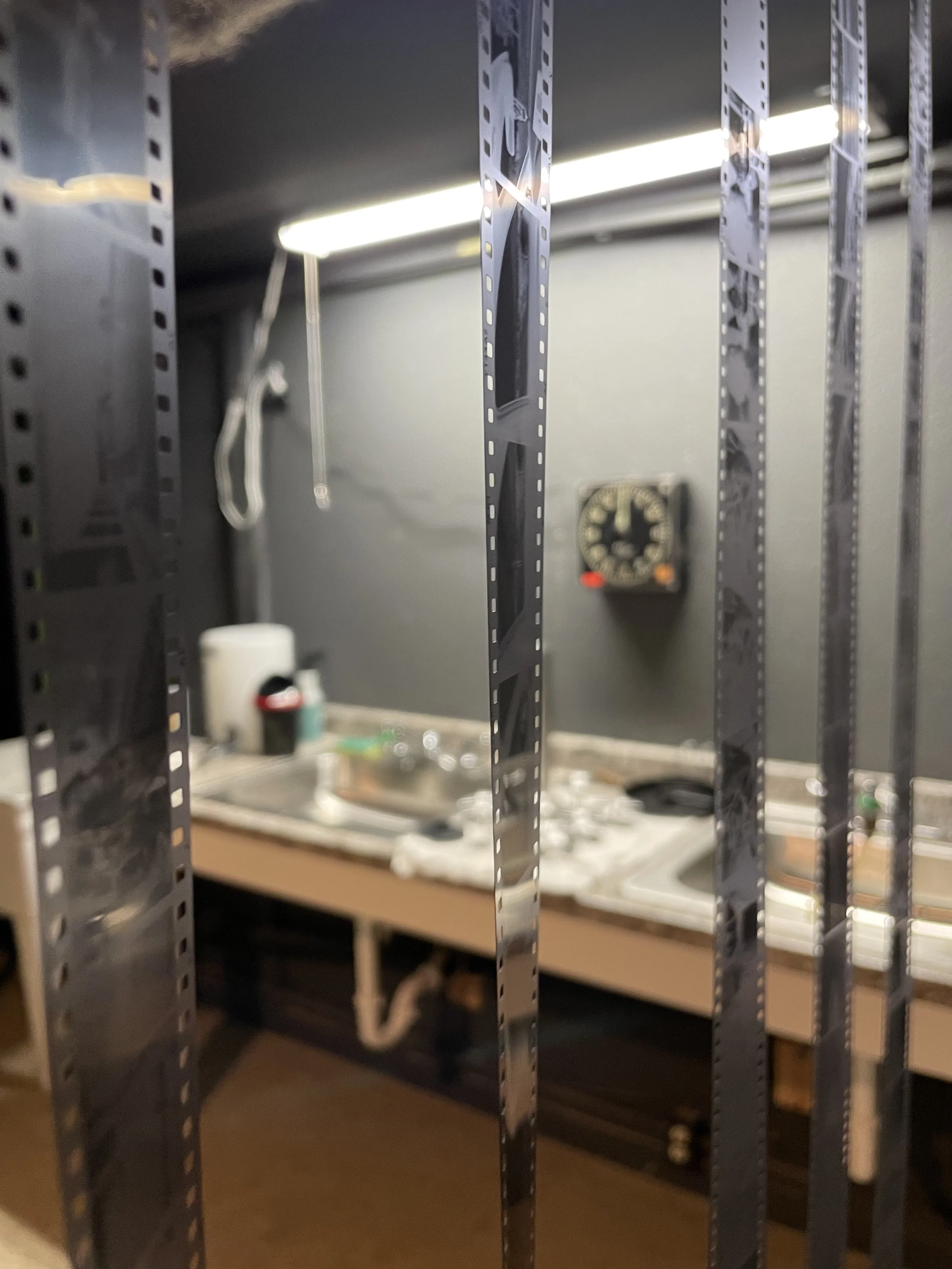
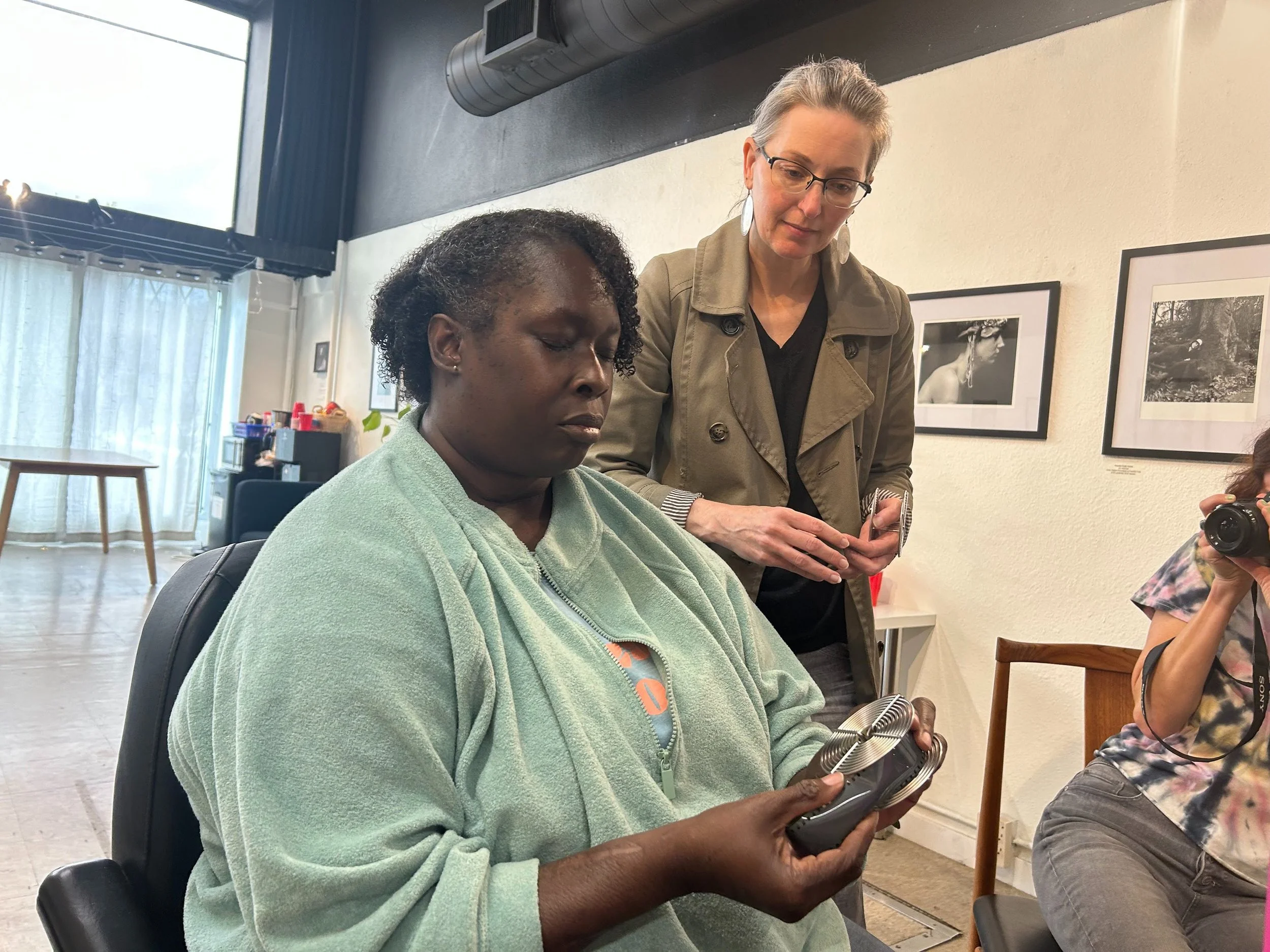
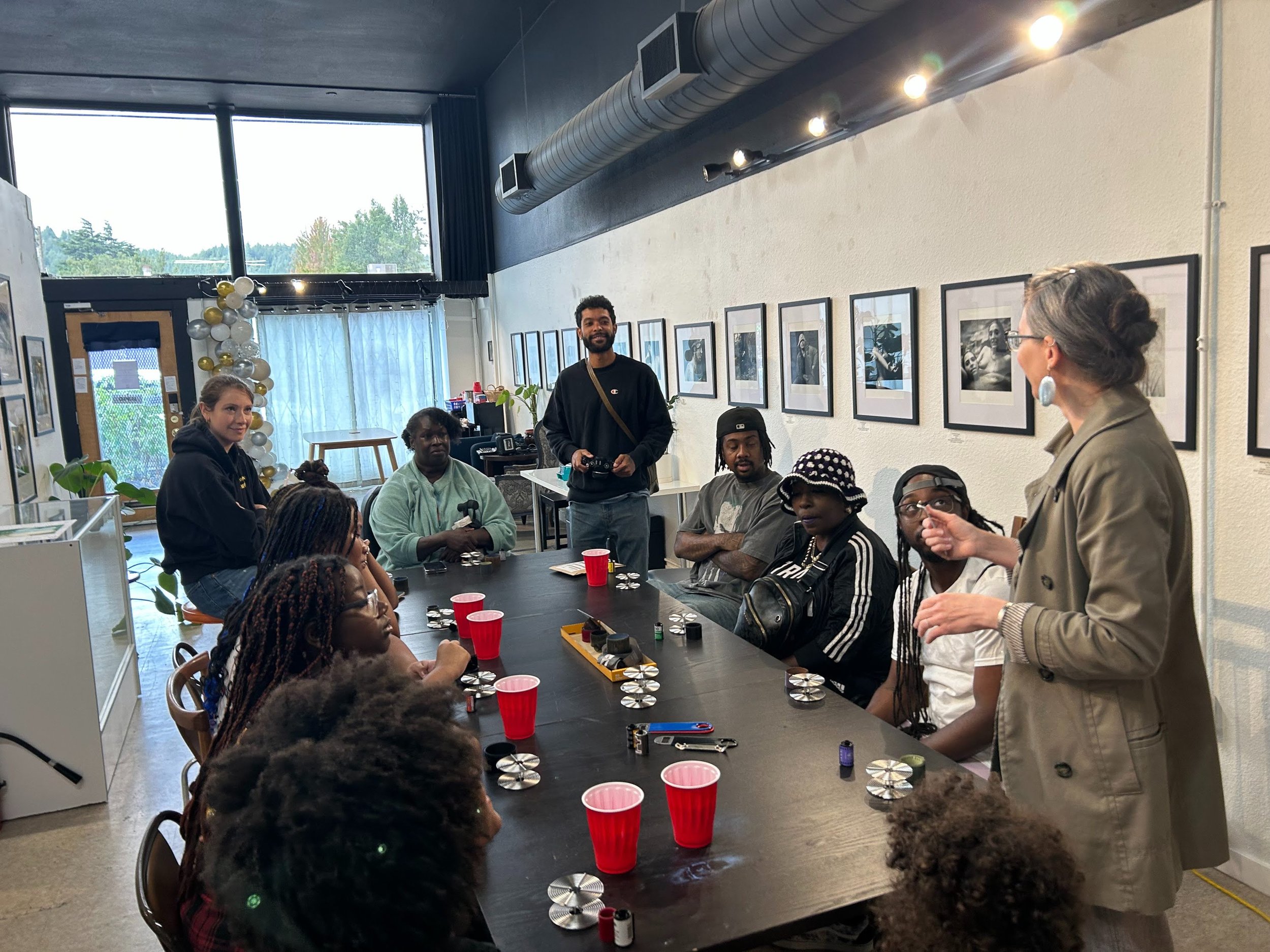
Saturday, 10am-1pm: Learning to process film and develop black and white negatives
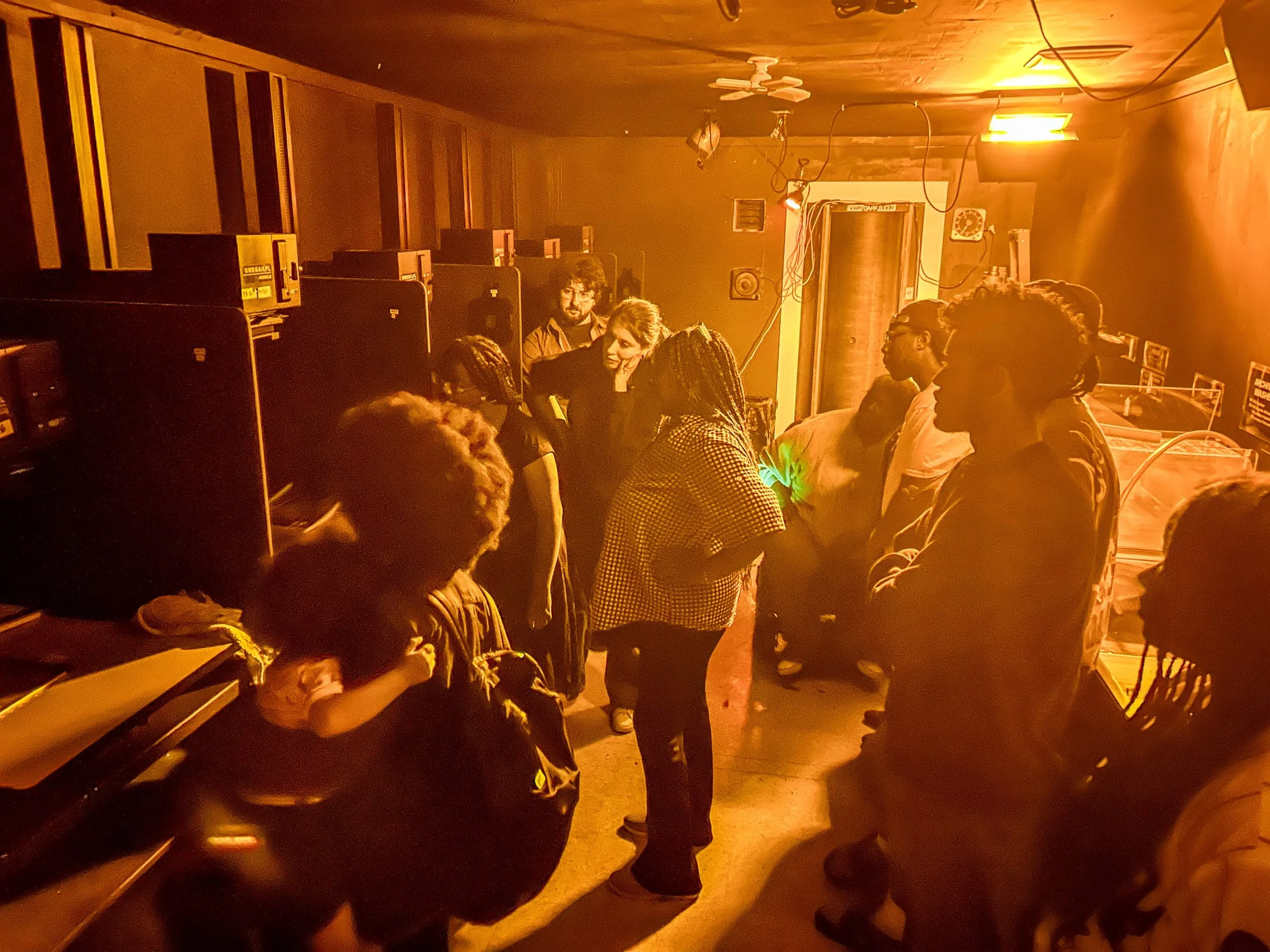
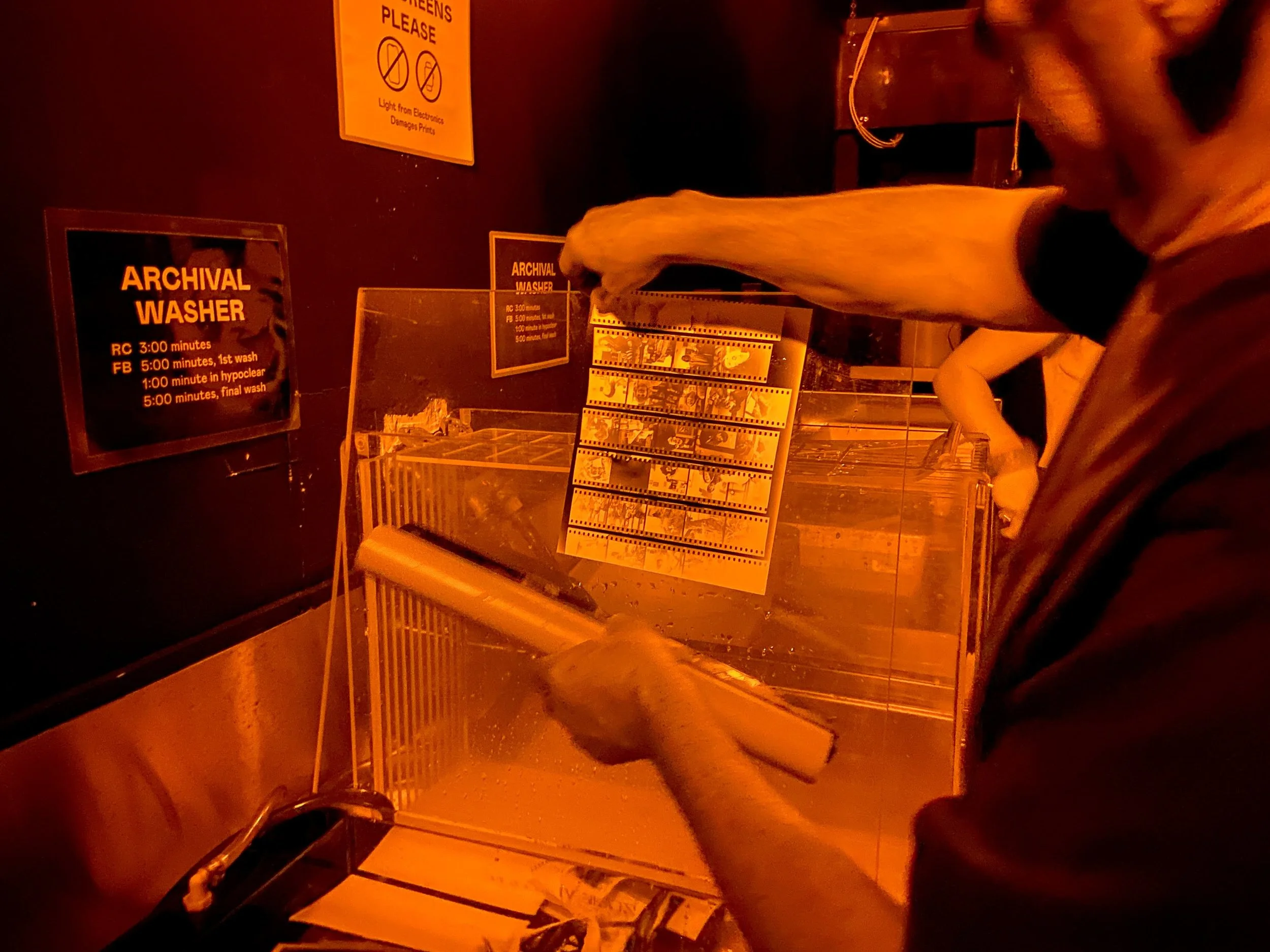
Sunday, 10am-1pm: Printing photographs in the darkroom
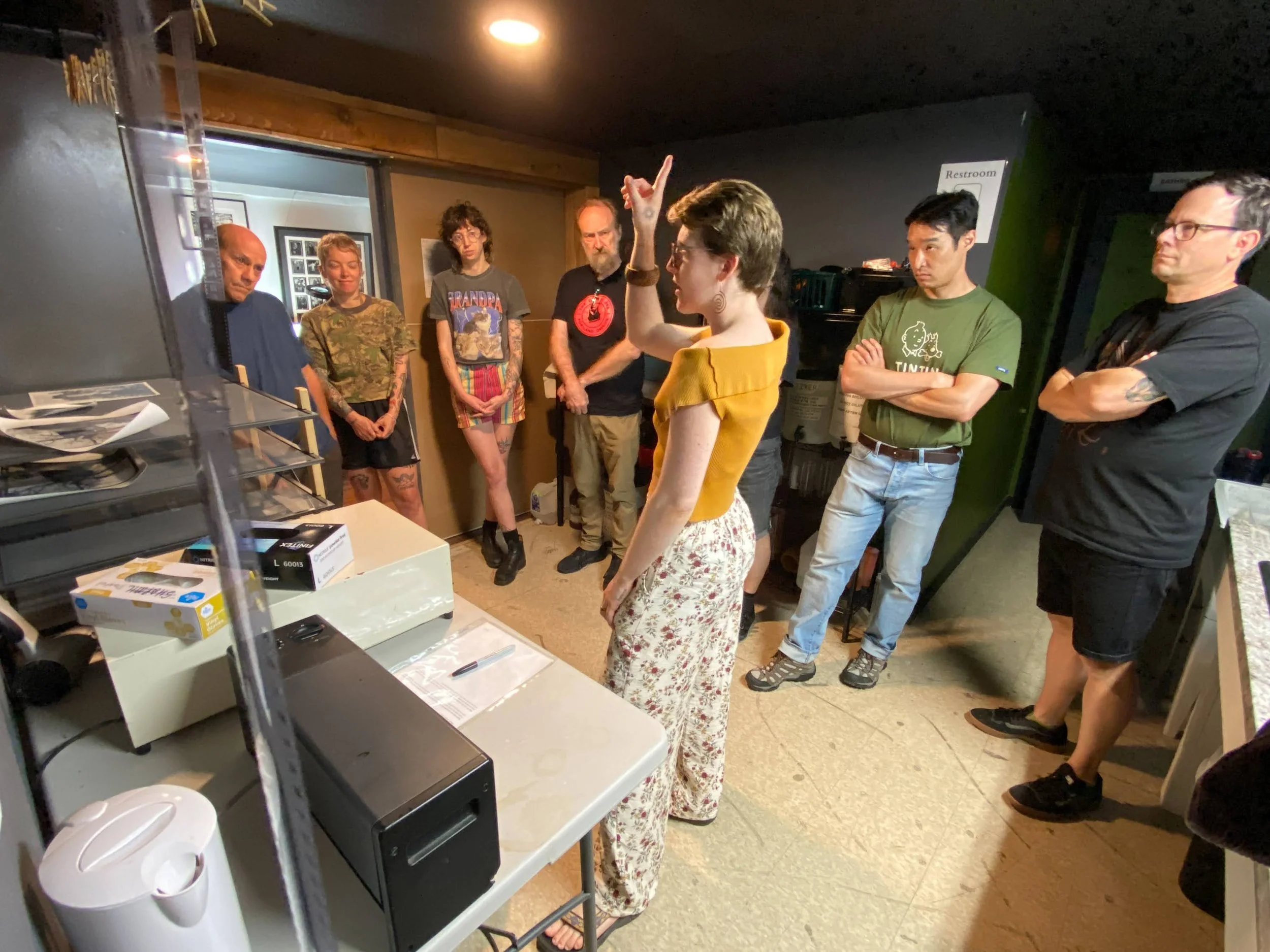
You’ll receive guidance from an experienced instructor who will share tips on best practices and help you troubleshoot common issues. Whether it’s perfecting the development process or fine-tuning your print’s contrast, they’ll be by your side to ensure you leave with the knowledge and skills to confidently use a darkroom on your own.
By the end of the workshop, you’ll have not only developed your own roll of black and white film but also created a series of prints from your negatives.
The workshop provides 1 roll of film, and 10 sheets of photographic paper for developing and printing during class time. *You will need to pick up the film and shoot it before class.*
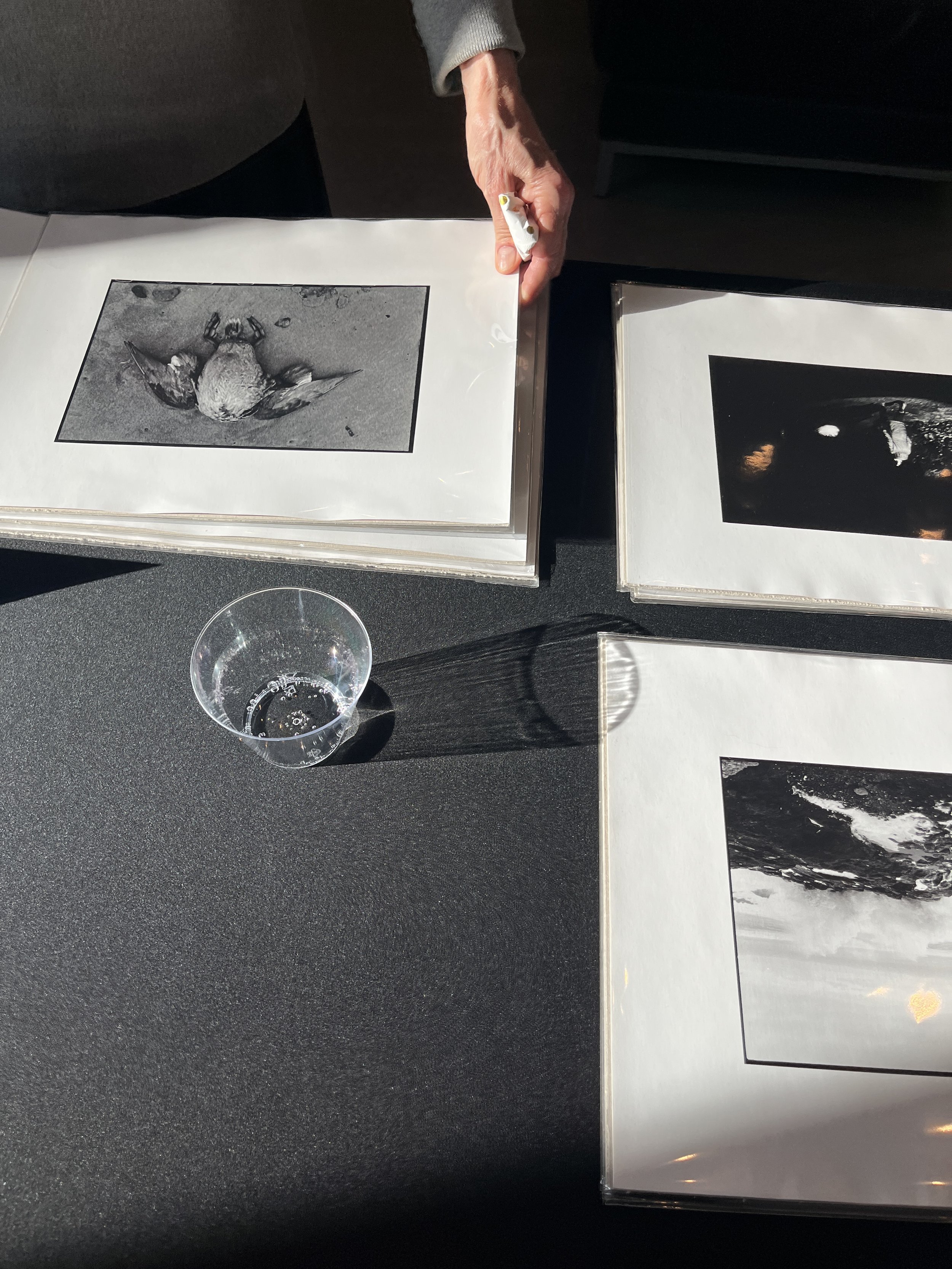
The workshop also includes 3 weeks of membership here at Franklin FOTO so you can continue to come in and develop more film and make more prints (you will need to provide your own extra film and paper for lab time outside of classes).
The class is capped at eight students so that the focus can be on individual learning.
Please note:
All guests must agree to and sign our Code of Conduct and Release Waiver. Please read and sign these documents prior to your class.
Give the gift of creativity, community, and hands-on learning. Our Membership and Class Gift Cards can be applied toward any Franklin FOTO membership level or class offering, including darkroom orientations, workshops, film processing classes, and special events.
Whether someone is just getting started or leveling up their craft, this flexible gift supports their artistic growth, helps them feel at home in our community, and inspires anyone who loves analog photography.
Choose the dollar amount you’d like to gift, and they can use it toward:
• Monthly memberships
• Intro classes and refreshers
• Specialty workshops
• Film processing and creative technique sessions
Review your options below and choose the corresponding dollar amount.